
Key Takeaways:
- Hackers seized Yi He’s old WeChat account and used it to promote a fake meme coin, prompting a rapid pump-and-dump on BNB Chain.
- On-chain activity shows coordinated wallet behavior that front-ran the scam posts and cashed out as prices spiked.
- CZ and Yi He urged users to ignore the messages, highlighting persistent security weaknesses in Web2 platforms impacting crypto markets.
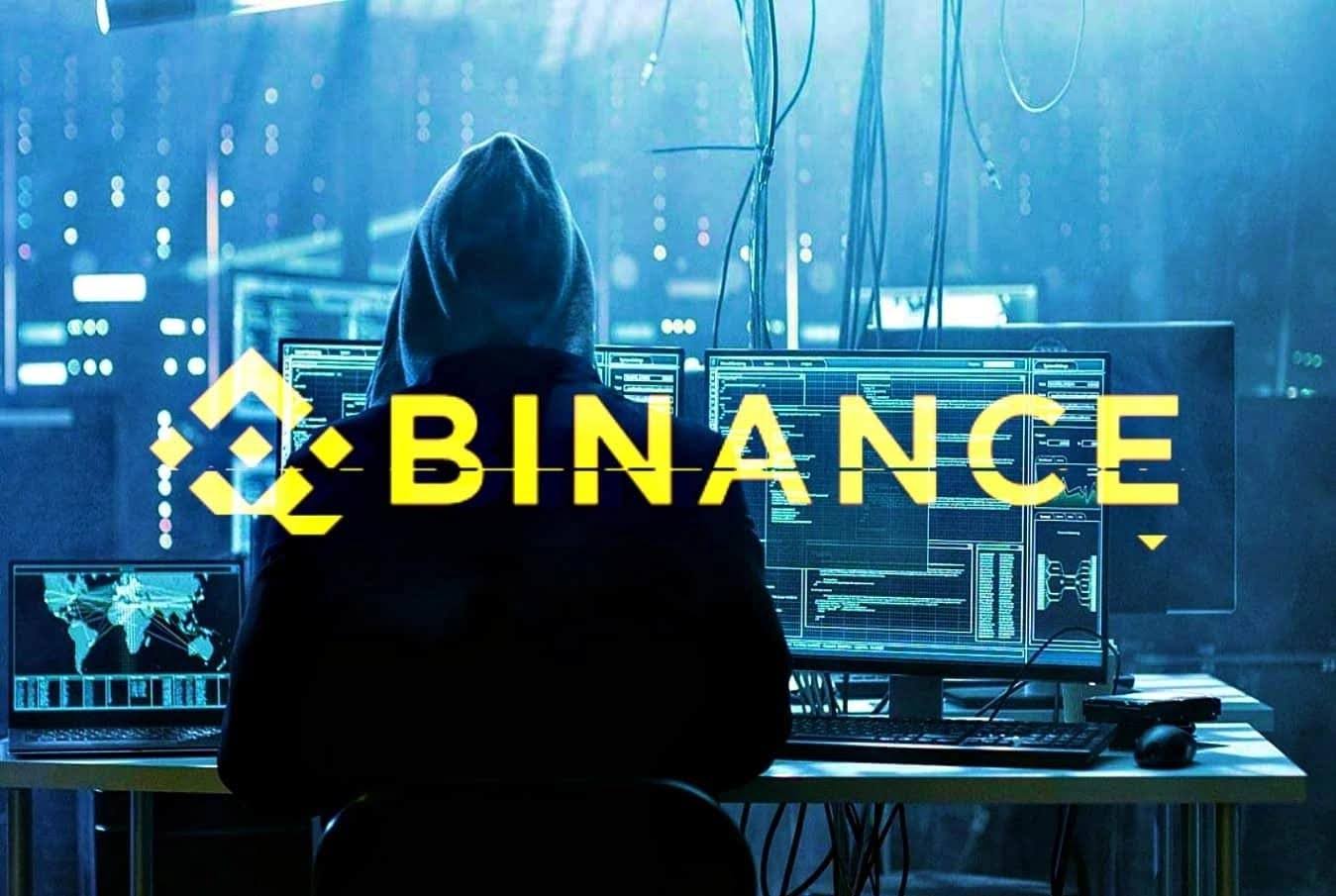
Binance is facing another unexpected security scare, this time not involving an exchange system, but the personal social media account of its newly appointed Co-CEO Yi He. A compromised WeChat account was weaponized to push a malicious meme coin promotion, sparking confusion and a rapid speculative frenzy in the BNB Chain ecosystem.
The incident underscores how easily social-platform vulnerabilities can spill into crypto markets, especially in Asia where WeChat remains a key communication hub among traders, project teams, and investors.

How the Hijacked WeChat Account Fueled a Rapid Pump-and-Dump
Yi He’s old WeChat account linked to a phone number she no longer uses was taken over late on December 9. Once inside, the attackers began posting messages that portrayed a meme coin as a high-upside investment opportunity.
CZ (Changpeng Zhao) immediately warned on X:
“Someone hacked @heyibinance’s WeChat account. Do not buy meme coins from the hackers’ posts. Web2 social media security is not that strong. Stay safu!”
These posts quickly circulated within crypto-active WeChat groups, many of which include traders who follow Yi He closely because of her influence in Asia’s retail and institutional crypto circles. Even with her account being outdated, the attackers leveraged her reputation to generate fast liquidity for their scam.
Read More: Binance Secures Full FSRA License as Global Users Surge Past 300 Million
Coordinated Wallet Behavior Shows the Attack Was Planned
On-chain investigators traced the activity and uncovered a coordinated strategy.
Two newly created wallets purchased more than 21 million tokens roughly seven hours before the hacked posts were published. The attackers waited for organic interest, driven by the credibility of Yi He’s identity, before unloading their bags.
As messages spread, the token’s price spiked from around $0.001 to nearly $0.008 within minutes. Market cap briefly touched about $8 million, driven by rapid buys on BNB Chain decentralized exchanges.
Once sufficient liquidity arrived, the wallets began selling into the hype. By early December 10, attackers had sold more than half of their positions for over 43,000 USDT. Their remaining holdings still carried market value, pushing estimated total profit close to $55,000 before the token collapsed more than 60%.
Several market analysts on X noted wallet activity that suggested possible front-running, supporting the view that the attackers expected the social-media blast to trigger a predictable wave of FOMO trading.

CZ and Yi He Warn Users as Web2 Vulnerabilities Ripple into Crypto
Both CZ and Yi He responded quickly to limit damage. Yi He emphasized that the WeChat account was abandoned long ago and could not be recovered. She asked users to ignore any tokens or investment pitches associated with it.
This is not the first crypto market compromise due to social media.
Scams, phishing links, or fake airdrops are sold to high-profile people by hackers, and they can be incredibly effective with catastrophic consequences. Such a high pace of crypto markets, coupled with the confidence that followers have in the leaders of the industry, provides an ideal environment to manipulate.
CZ took the opportunity to emphasize the current problem:
- Web2 security remains weak, especially on platforms that rely on phone-based authentication.
- Attackers increasingly exploit these weaknesses to influence crypto markets.
- Users must treat unexpected messages, even from verified or well-known accounts with skepticism.
The event supports the increasing demand of enhanced identity protection on all social platforms with a focus on those that are actively utilized by crypto communities. WeChat is central to the trade of the Chinese traders in terms of the private deals; OTC deals as well as discussion of investments. One violated identity, then, has a disproportionate power.
Read More: South Korea to Hold Crypto Exchanges to Bank-Level Liability Rules After $30M Upbit Hack
Market Impact Shows How Vulnerable Crypto Communities Remain
Though the scam did not utilize the structures of Binance, it elicited massive trade volume of BNB Chain and highlighted one of the main problems: the crypto market continues to respond immediately to alleged endorsements, despite weak verification.
This is especially so in the case of meme coins, which tend to be explosively volatile due to influences, rumors, and speculations in the community. The 8x rapid increase and subsequent sharp decline is typical of typical trends of other scam-driven pumps in chains such as Solana, Base, and BNB Chain.
The post Hackers Hijack Binance Co-CEO Yi He’s WeChat to Push Meme Coin Scam, Triggering Market Frenzy appeared first on CryptoNinjas.

You can get bonuses upto $100 FREE BONUS when you:
💰 Install these recommended apps:
💲 SocialGood - 100% Crypto Back on Everyday Shopping
💲 xPortal - The DeFi For The Next Billion
💲 CryptoTab Browser - Lightweight, fast, and ready to mine!
💰 Register on these recommended exchanges:
🟡 Binance🟡 Bitfinex🟡 Bitmart🟡 Bittrex🟡 Bitget
🟡 CoinEx🟡 Crypto.com🟡 Gate.io🟡 Huobi🟡 Kucoin.









Comments